Is now a good time to become a writer?
I see this question all the time in my DMs, on Reddit and anywhere people hang out for longer than 5 minutes.
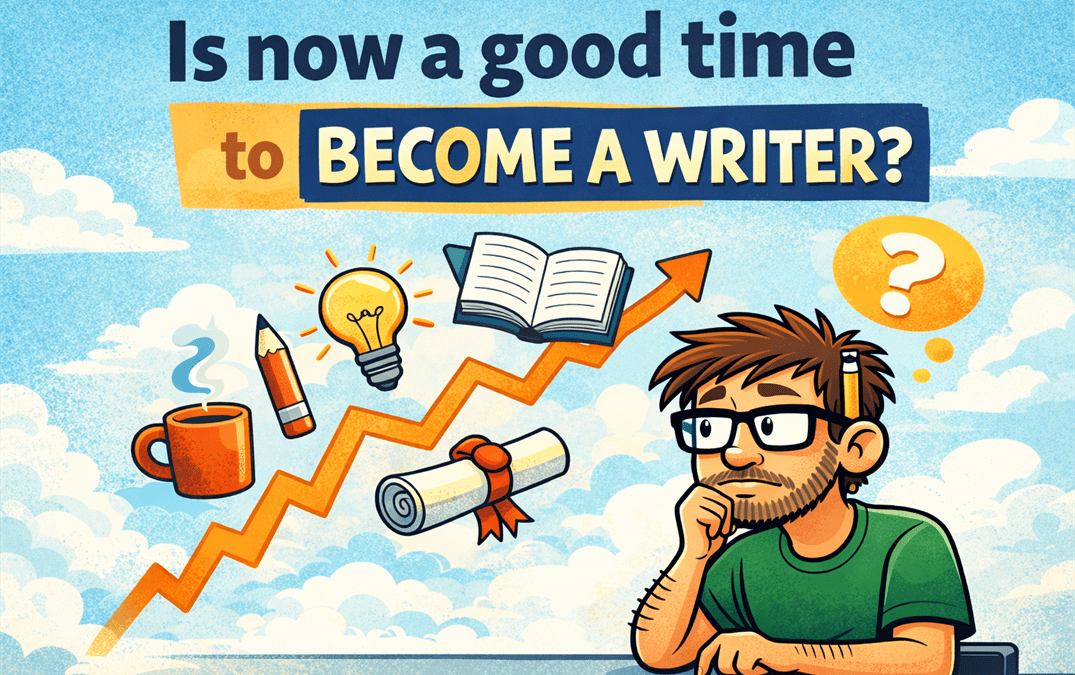
Is now a good time to become a writer?
Short answer? Yes.
Long answer? Also yes, but probably not for the reason you think.
If your dream is to spend eight glorious hours a day churning out listicles like “17 Productivity Hacks Billionaires Don’t Want You To Know,” collecting mild affiliate commissions while a distant editor emails you “great job!” once a quarter, then I regret to inform you that the robots have claimed that territory.
They work fast. They don’t complain. They don’t need snacks.
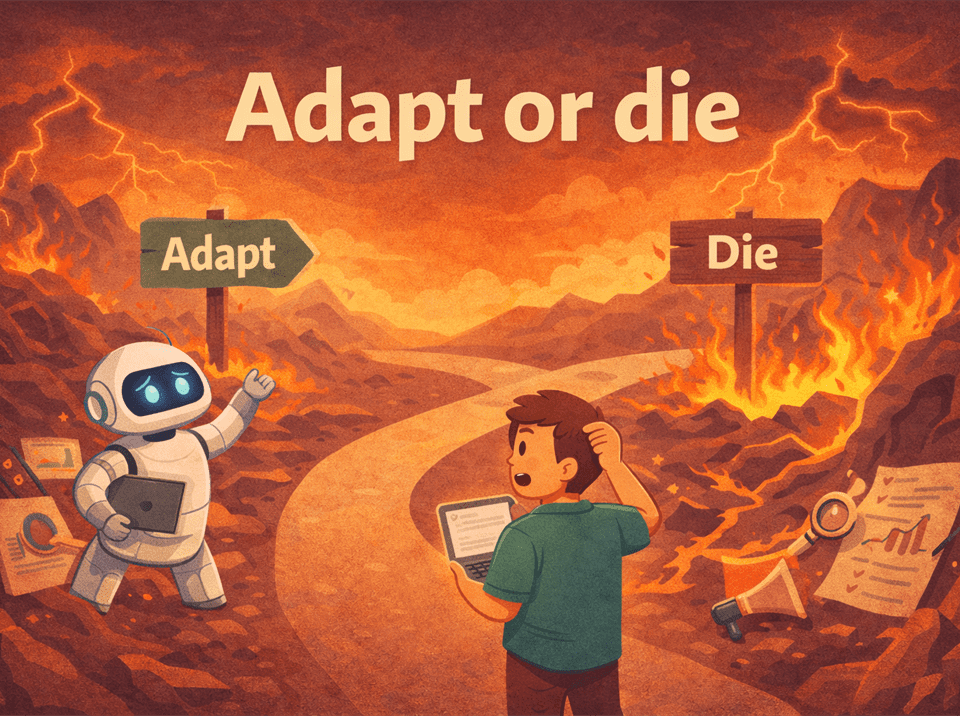
The era of getting paid purely to produce words at speed is gone.
But that doesn’t mean writing is dead. It just means the goalposts moved.
And when the goalposts move, interesting things happen.
The draft economy is crowded
Drafting is cheap now. You can open a tool, type a prompt, and receive something that resembles a blog post in seconds.
It has an intro. It has subheadings. It uses words like “essential” and “powerful” with enthusiastic commitment.
For years, writers were hired largely for production. Can you fill the page? Can you hit 1,500 words? Can you do it by Tuesday?
Now the first draft is available in seconds.
If that was the entire job description, then yes, things feel uncertain. But writing has never really been about typing. It’s about thinking.
And thinking is still stubbornly human.
The skill stack changed
If you want to become a writer right now, you need to aim higher than the draft layer.
- You need to understand positioning.
- You need to understand audience psychology.
- You need to edit ruthlessly.
- You need to spot when something technically correct feels strategically weak.
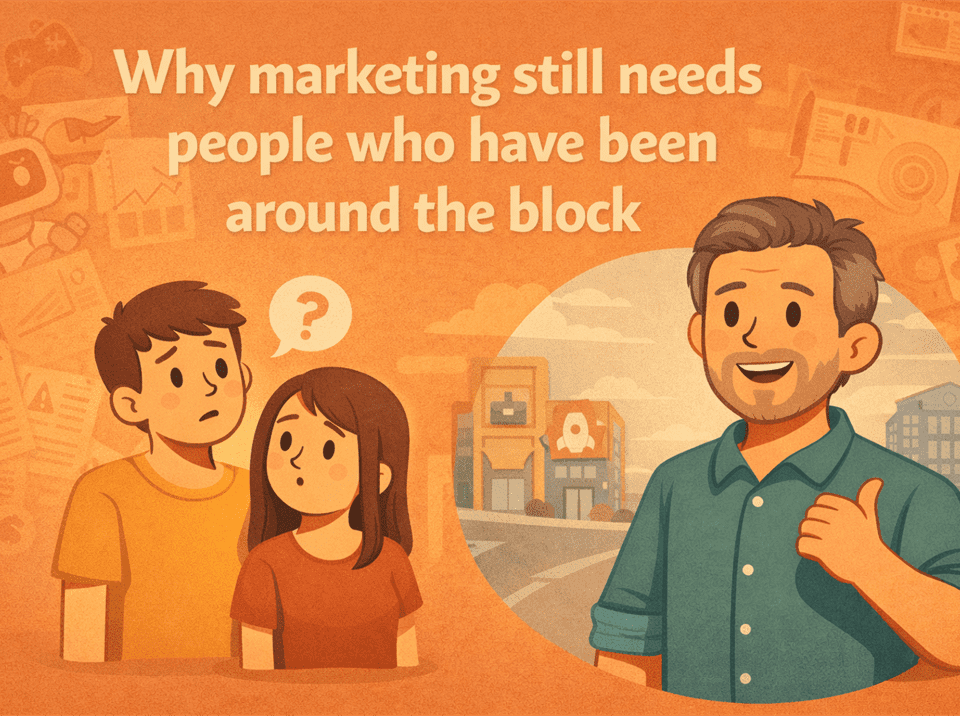
In other words, you need good judgment.
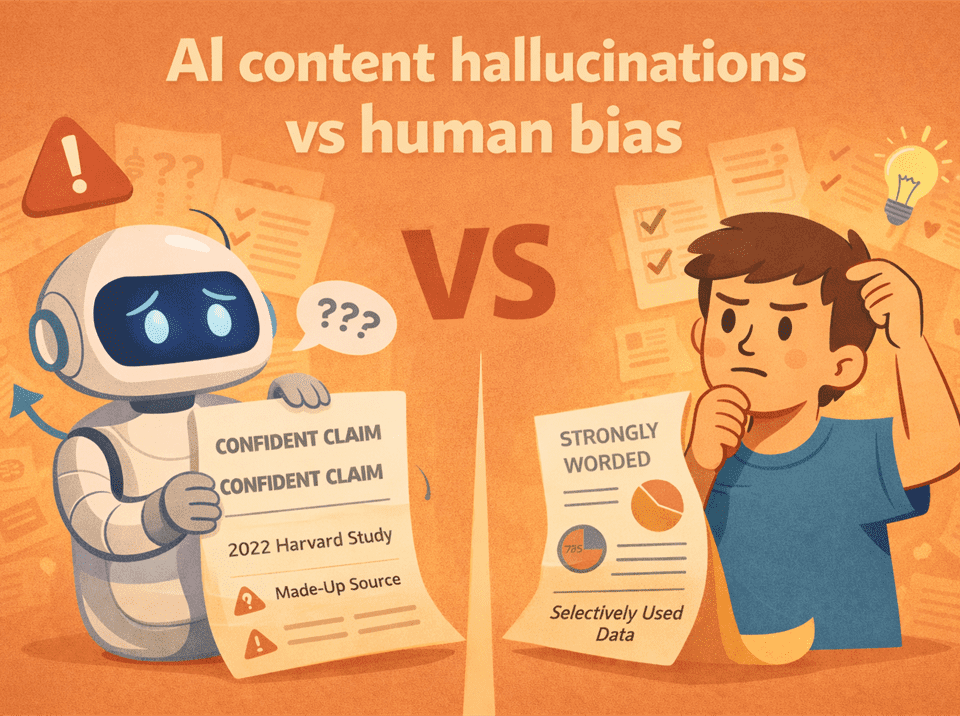
AI can assemble information. It can replicate patterns. It can mimic tone impressively.
It cannot:
- Decide which argument to remove because it weakens the narrative.
- Sense when a brand voice is slightly off.
- Read the emotional temperature of a reader and adjust accordingly.
That’s your job.
And that job is not disappearing anytime soon.
You’re not competing with AI. You’re collaborating with it.
This is where people get dramatic.
“AI is replacing writers.”
Not exactly.
AI is replacing the most mechanical parts of writing. The repetitive bits. The “fill this template with 800 words about dog grooming” assignments.
If you want to be a writer who operates purely at the mechanical level, yes, the outlook is uncomfortable.
If you’re willing to treat AI as a drafting assistant while you focus on structure, persuasion and refinement, you’re suddenly operating at a higher tier.
I use AI constantly.
Then I rewrite. Restructure. Tighten. Cut. Expand. Adjust tone. Add specificity. Remove generic phrasing.
Then I add my own ‘unique’ sense of humour (on this blog anyway). Like it or not, it’s one of the human parts of this page.
The tool accelerates the process. It doesn’t replace the thinking.
And thinking is where the value sits.
Clients want clarity, not content
Here’s something that surprised me.
The more content becomes abundant, the more clients care about clarity.
- They don’t want more blog posts. They want fewer, better ones.
- They don’t want generic thought leadership. They want perspective.
- They don’t want volume. They want direction.
If you can help someone clarify their message, simplify their argument and shape their narrative so it actually moves people, you’re not competing in the commodity layer anymore.
You’re operating in strategy and that’s a good place to be.
Let’s be honest about the trade-offs
If you’re becoming a writer because you imagine a quiet life of passive income and occasional inspiration, you may need to recalibrate.
This field now rewards depth more than output.
You will need to study. You will need to revise. You will need to learn how search works, how persuasion works, how structure influences perception.
You’ll need to develop taste.
That sounds intense, but it’s also exciting.
It means writing is less about being “good with words” and more about understanding how ideas influence decisions.
That’s a richer craft.
The opportunity is in the ceiling
AI raised the game. Which means the baseline quality of content is higher than it used to be.
That’s intimidating at first. But it also makes the ceiling clearer.
If average content is easier to produce, then standout content becomes more visible.
Readers are already developing a radar for generic phrasing. They can feel when something was assembled rather than considered.
If you can write with rhythm, specificity and genuine perspective, you’ll stand out more, not less.
So, is now a good time?
If you want to be a minimal effort word factory, probably not.
If you want to become someone who shapes ideas, clarifies arguments and builds trust through writing, then yes.
Very much yes.
- It’s a good time to be a writer who edits more than they draft.
- It’s a good time to be a writer who understands audience intent.
- It’s a good time to be a writer who can look at a perfectly acceptable AI draft and say, “This is fine, but here’s what’s missing.”
That’s where the future of being a writer is.
If you’re willing to go there, you should never be out of work. You’ll be exactly where the interesting stuff is happening.